The golden ratio is a gigantic area described everything from ancient sculptures to, according to some, even chaos theory. I have used this term to describe the image composition. Contrary to what many believes, you should usually not place the subject in the middle of the photo, it is usually stubborn and unnatural.
Below is an example of how to highlight an object using background and foreground.
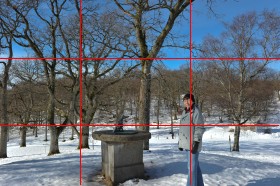
| Lot of people saying that you should split the picture with four lines, evenly distributed, and place the subject in any of the four intersections (which I showing with the example to the right). I think it’s a too angular rule and prefer saying “just not in the middle”. It is the subject and the overall composition that need to determine the placement. |
 |
|
Below follow som example of the subject placement within the photo. |
|
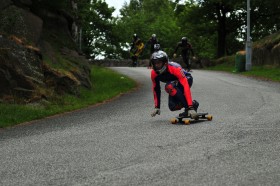
| Here we have two cards, from Ravenhill SM, that have exactly the same motive and it’s just the cropping that is different. For moving objects, the rule is that there should be space in the image for the object to move without hitting the edge. |
|
 |
 |
| space before him that make the brain and eyes feel the direction |
in the center of the picture. |
|
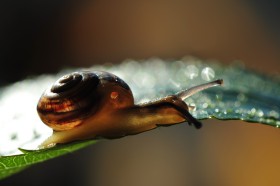
Below is an other example that shows that the subject does not need to moving fast to have more space in front of it. This is also just two different cropping of the same picture.
|
|
 |
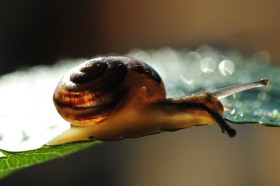 |
| space before so that his has some path to go before hitting the border |
in the center of the photo with to little space in front of him. |
Tips: locate the subject so there is room for movement.
Tips: take the photos with enough border så it is room for cropping.
Even if the the subject is an animal or person it is better to have more space in front of them than behind, because the human have a ability to follow others direction of views. Therefore you usually need more space in front to get balance.